Review: Elongated Knockdown Stitch Background
As an embroidery designer who spends more time in front of a hooping machine than a computer screen, I have learned that the difference between a "nice" design and a craft fair product that actually sells often comes down to the foundation. We all want our monograms and motifs to pop, but if the fabric underneath is shifting, pilling, or absorbing too much thread, the final result looks amateurish. That is why I am reviewing this Elongated Knockdown Stitch Background. It promises to solve one of the most common headaches in textile decoration: stabilizing fluffy fabrics for crisp, professional results.
This isn't just about aesthetics; it is about production efficiency and customer satisfaction. If you are an Etsy seller, a boutique maker, or someone prepping a booth for a weekend market, you need designs that are reliable, repeatable, and visually striking. Here is my honest take on how this background holds up in the real world of handmade commerce.
The First Impression: Functional Elegance
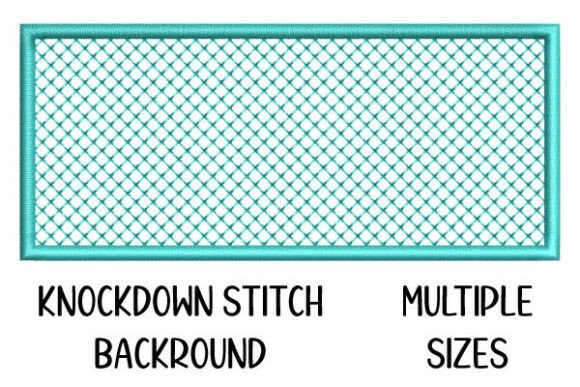
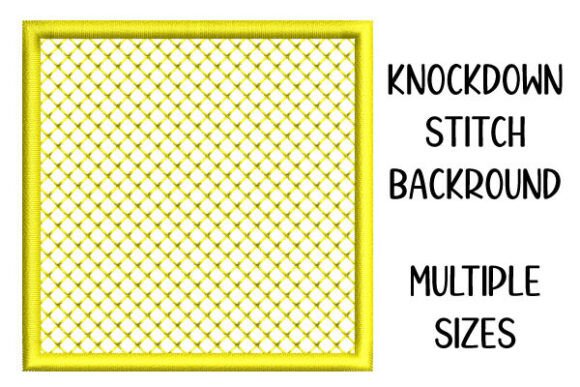
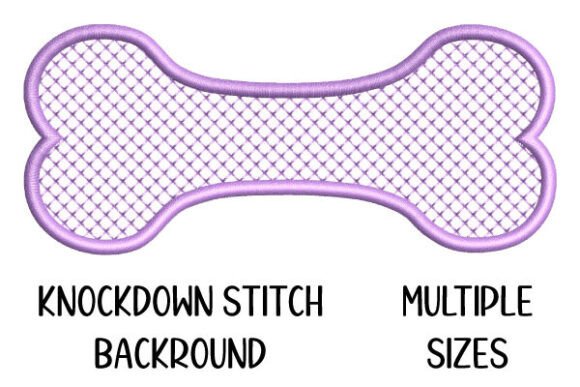
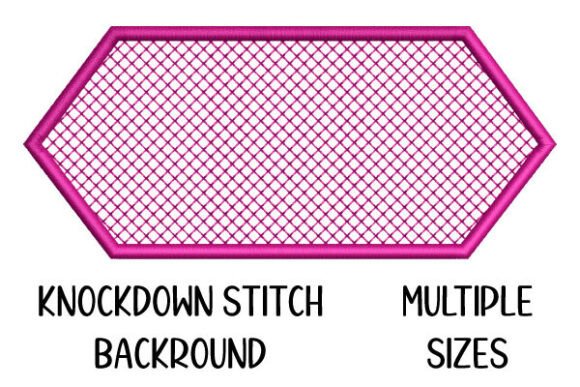
When you first load the embroidery file, the Elongated Knockdown Stitch Background feels utilitarian, which is exactly what you want in a background element. Unlike decorative borders that compete with your main text, this design recedes. It creates a clean, flat stitching surface without adding unnecessary visual noise. The elongated nature of the stitches suggests a smooth, directional flow that guides the eye toward the center of the design—where your name, monogram, or logo should be.
In terms of mood, this design leans towards modern and minimal. It does not scream "farmhouse" with its rustic textures, nor is it overly ornate. Instead, it offers a premium, polished look that elevates simple items like plain white towels or neutral-colored tote bags. For a craft fair booth, this subtlety is a strength. It allows the personalization (the client's name) to remain the focal point while ensuring the garment looks professionally finished.
Performance on Key Craft Fair Products
To determine if this design belongs in your catalog, we need to test it against the products that move fastest at markets and online stores. Here is how the Elongated Knockdown Stitch Background performs on specific items:
- Kitchen Towels and Aprons: This is the home run category. Fluffy terry cloth and thick cotton canvas can be nightmares to embroider because the needle struggles to penetrate evenly, leading to puckering. The knockdown stitch compresses these fibers, creating a stable platform. When customers see a tea towel embroidery piece that lies perfectly flat despite the thick fabric, they perceive high value.
- Tote Bags and Market Bags: Canvas bags are durable but often have a rough texture. A background stitch here anchors the design, preventing the top-layer letters from looking like they are floating. It adds weight and presence to the tote bag design, making it feel substantial rather than flimsy.
- Embroidered Patches and Caps: On curved surfaces like caps, tension control is critical. The elongated stitch pattern helps distribute tension more evenly across the base, reducing distortion. For patches, it provides a solid backing that makes the patch easier to iron or sew onto jackets and beanies later.
- Fabric Pouches and Pillow Covers: These items benefit from the softness of the knockdown effect. Unlike satin stitches which can feel stiff and plastic-like, the elongated fill maintains some fabric drape. This is crucial for home decor items where buyers touch the product before purchasing.
Selling Points and Production Practicality
From a business perspective, the Elongated Knockdown Stitch Background scores high on repeatability. In batch production, consistency is key. Because this is a background element, it is forgiving. Minor hoop shifts or slight fabric variations matter less here than they would with a intricate lace pattern. This means fewer ruined products and higher profit margins for the small shop product owner.
Photographically, this design translates well. Online shoppers cannot touch the product, so they rely on images. A clean, flat background in your photos signals quality. It reduces glare from excessive satin stitching and highlights the contrast of the thread colors. Whether you are creating a printable mockup for social media or photographing physical samples for your Etsy listing, this background ensures the focus remains on the customization options.
Furthermore, it works as both a small accent and a large focal base. You can use it behind a single initial for a minimalist aesthetic or expand it to cover the entire chest area of an apron for a bold statement. This versatility allows you to price items differently based on thread usage and hoop size, giving you flexibility in your pricing strategy.
Visual Appeal and Brand Consistency
Consistency builds brand trust. By using a reliable background like this, you establish a signature style that says, "This was made by a professional." Buyers at craft fairs are increasingly savvy; they can tell the difference between a rushed job and one that took the time to prepare the fabric properly. The Elongated Knockdown Stitch Background contributes to a cohesive look across your entire inventory, whether you are selling commercial embroidery goods or one-off gifts.
Careful-Use Notes and Technical Considerations
While this design is robust, no embroidery project is without its challenges. As an experienced designer, I urge you to pay attention to the following details before mass-producing:
- Stitch Density and Fabric Texture: While designed for fluffy fabrics, extremely thick fleece or heavily textured towels may still cause issues if the density is too high. Always check the stitch density relative to your fabric thickness. If the fabric is too bulky, the needle may break or the thread may snap.
- Thread Contrast: Because this is a background, it needs to complement the foreground text. Avoid using a background color that clashes with your primary lettering. Neutral threads like white, black, or grey are safest, but don't be afraid to match the background to the fabric for a tonal, sophisticated look.
- Hoop Size and Placement: Ensure your hoop size accommodates the full width of the background plus any additional elements. Placing a wide background on a small hoop can lead to trimming errors or incomplete stitching.
- Small Details: Do not attempt to add tiny logos or minute details directly into the knockdown area. The texture created by the stitches will obscure fine lines. Keep the foreground elements clear and separate.
- Dark Fabric Challenges: On dark fabrics, ensure your background thread has enough opacity to cover the material completely. Sheer backgrounds can look unfinished on navy or black cottons.
Designer’s Checklist for Success
Before you commit to printing labels or listing these items online, follow this practical workflow:
- Test on Scrap Fabric: Never go straight to the final product. Run the machine embroidery design on a scrap of the exact fabric you plan to sell. Check for puckering, thread breaks, and coverage.
- Confirm Stabilizer Use: The right stabilizer is non-negotiable for knotty or fluffy fabrics. Use a cut-away stabilizer for stretchy materials and a tear-away for wovens, depending on the manufacturer's recommendation.
- Create Real Mockups: Digital files are great, but nothing beats a physical sample. Take photos of the actual stitched item under natural light. This builds trust with potential buyers.
- Check Licensing: Verify the digital embroidery file license. Ensure you have commercial rights to sell the finished products. Many designers allow sales but restrict resale of the digital file itself.
- Inspect Thread Colors: Lay out your thread colors next to the fabric. Screen colors differ from reality. Ensure the contrast is visible and appealing to the naked eye.
In conclusion, the Elongated Knockdown Stitch Background is a workhorse for any serious embroiderer. It solves technical problems while enhancing visual appeal. For the craft fair seller looking to offer high-quality, personalized gifts, this design provides the perfect foundation for success. It transforms ordinary textiles into premium handmade products that customers are proud to own and display.