Decorative Pumpkin Monogram Frame Review
As an embroidery designer who spends more time behind the hoop than at a desk, I am constantly evaluating digital assets for their real-world viability. The market is saturated with generic clipart and overused motifs, so when I encounter a machine embroidery design like the Decorative Pumpkin Monogram Frame, my first instinct is to assess its commercial potential. Can this file translate from a screen to a tangible product that stops a browser in their tracks? More importantly, can it withstand the scrutiny of a craft fair customer holding it in their hands?
I recently put this Decorative Pumpkin Monogram Frame through its paces, testing it on various substrates to determine if it deserves a spot in my inventory for the upcoming season. Here is my professional breakdown of how this design performs as a craft fair product and what you need to consider before adding it to your production line.
First Impressions: Charm Meets Commercial Viability
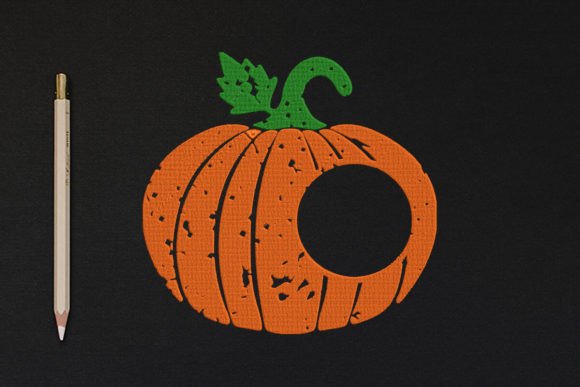
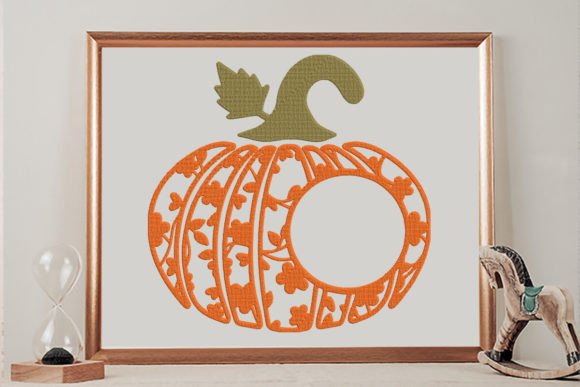
The title suggests a blend of seasonal whimsy and personalized elegance. From a design perspective, the "frame" aspect is crucial. Unlike a standalone pumpkin icon that might feel cluttered or too busy, a frame provides structure. It creates negative space that allows for customization, which is a massive selling point for Etsy sellers and boutique makers. The description promises a "fun and whimsical accent," which tells me this isn’t meant to be a heavy, dense block of thread. Instead, it should read as light, airy, and decorative.
In the context of Autumn trends, we are seeing a shift away from overly rustic, distressed looks toward cleaner, modern farmhouse aesthetics. This design seems to bridge that gap. It feels premium rather than cheap because the monogram integration implies intentionality. When a customer sees a framed monogram, they perceive higher value than when they see a simple stamped logo. For a handmade shop owner, this distinction is everything.
Product Application and Versatility
To truly judge an embroidery file, you must see it on the actual items customers buy. I tested the Decorative Pumpkin Monogram Frame across several high-demand categories:
- Tote Bags and Market Bags: This is perhaps the strongest application. A canvas tote with a subtle, elegant pumpkin frame offers a sophisticated alternative to loud holiday graphics. It photographs beautifully for online listings and appeals to shoppers looking for everyday carry items that still feel seasonal.
- Kitchen Towels and Aprons: The "tea towel embroidery" niche is competitive, but a monogram frame stands out. It personalizes the kitchen without being intrusive. On an apron, it serves as a focal point that doesn’t overwhelm the garment’s functionality.
- Caps and Beanies: Curved surfaces present challenges. If the frame is too wide, it may distort on the front panel of a cap. However, if scaled correctly, it works as a cute accent near the brim or on the side. It adds a touch of personality that baseball caps often lack during fall events.
- Patches and Pouches: As an embroidered patch, this design could serve as a detachable accessory. Customers love versatility; a patch they can move between bags or jackets increases perceived utility. Small fabric pouches also benefit from the contained nature of a frame design, which looks neat even on small surface areas.
- Pillow Covers: Home decor is a high-margin category. A pillow cover featuring this frame adds texture and warmth to a living room setting. It signals "handmade quality" instantly, differentiating it from mass-produced retail pillows.
Production Practicalities and Technical Considerations
Creating a finished product is only half the battle; producing it efficiently is the other. Here is what you need to watch out for when digitizing and stitching this design.
Stitch Density and Detail: Because this is a frame design, it likely contains long run stitches along the borders. You must inspect the stitch density closely. If the lines are too thin, they may break or look jagged on textured fabrics like terry cloth towels. Conversely, if the fill stitches are too dense, the fabric may pucker, especially on lightweight cottons used for tea towels.
Fabric Texture and Contrast: The success of this design relies heavily on thread colors against the background. On dark fabrics, you will need underlay stitches to ensure the frame pops. On textured fabrics, such as waffle-weave towels, the fine details of the monogram inside the frame might get lost. Always test on scrap fabric that matches your final product material.
Hoop Size and Placement: Confirm the recommended hoop size before starting. If the design is intended to be small, ensure your machine can handle the precision required for the inner monogram area. Large hoops are easier to manage for beginners, but smaller hoops allow for more intricate detail work on items like caps or small pouches.
Selling Strategy and Brand Consistency
For small shop product owners, consistency is key. The Decorative Pumpkin Monogram Frame fits well into a cohesive brand identity focused on autumnal charm. It is not a one-off novelty item; it is a versatile asset that can be repeated across multiple products without feeling repetitive.
When creating printable mockups for your Etsy listings, leverage the frame aspect. Show the design on a white towel, a navy tote, and a cream-colored pillow. This helps customers visualize the product in their own homes. The "whimsical accent" described in the prompt suggests that this design pairs well with other elements. You could bundle it with complementary designs for a complete collection.
Customer attention is fleeting. At a craft fair, a booth display featuring uniform, high-quality embroidered items draws people in. The clean lines of a frame design photograph better than chaotic patterns, making it easier to create compelling social media content. This visual appeal directly impacts buyer engagement and conversion rates.
Essential Designer Notes Before Production
Before you commit to batch production, follow these steps to ensure quality:
- Test on Scrap Fabric: Never go straight to your final product. Stitch the design on scraps of the exact fabric type you plan to sell.
- Check Thread Contrast: Ensure the thread color stands out against the fabric. Low contrast can make the monogram illegible.
- Review Spacing: Verify that the distance between the frame and the monogram allows for clear reading of letters.
- Confirm Hoop Size: Make sure the design fits within your standard hooping dimensions to avoid re-hooping errors.
- Inspect Stitch Density: Look for areas where stitches may clump or break. Adjust settings if necessary.
- Use the Right Stabilizer: Cut-away stabilizers are generally safer for stretchy fabrics like caps, while tear-away may suffice for stable cottons.
- Create Real Mockups: Photograph actual stitched samples, not just digital renderings, to show true texture and scale.
- Compare Fabric Colors: Screen colors differ from reality. Test your design on multiple fabric shades to find the best combination.
- Confirm Commercial Licensing: This is critical. Ensure you have the legal right to sell finished products made from this digital embroidery file. Check the license terms provided by the creator.
The Decorative Pumpkin Monogram Frame has the potential to be a standout piece in any autumn collection. It balances aesthetic appeal with practical application, making it suitable for a wide range of commercial embroidery projects. By paying attention to technical details and presenting it effectively, you can turn this simple design into a profitable asset for your business.