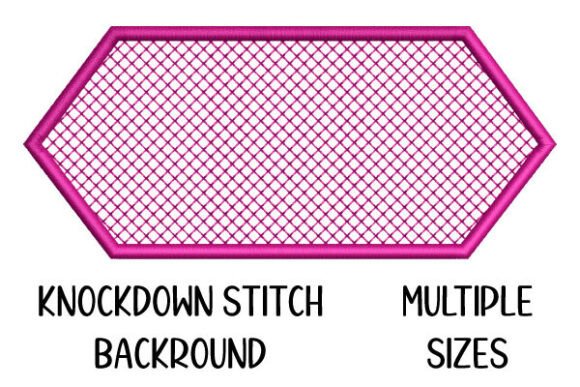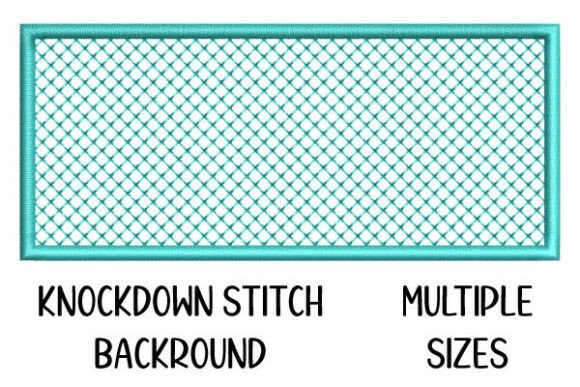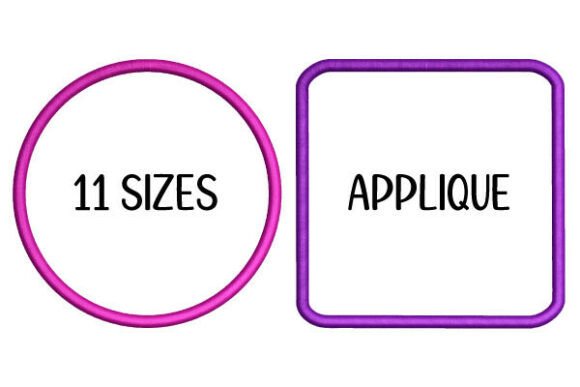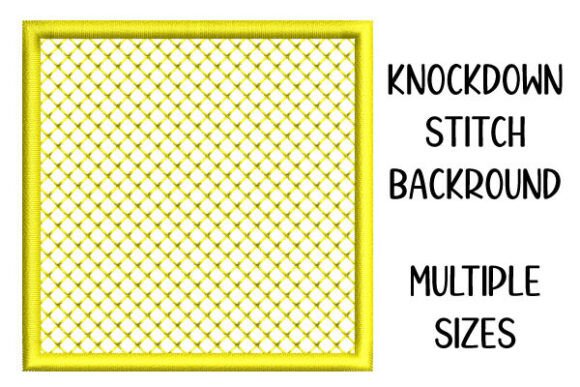
Knockdown Stitch Background Square Shape
When I sit down to design a custom embroidery project, my first question is always about stability. It doesn’t matter how beautiful the motif is if it buckles, pucks, or slides off the fabric after one wash. That is why I am evaluating the Knockdown Stitch Background Square Shape. This isn’t just a decorative element; it is a structural foundation designed specifically for fluffy fabrics like towels, fleece, and heavy cotton blends. As a designer who frequently creates products for Etsy sellers, boutique brands, and personal gifts, I look for designs that solve problems before they happen. This square background does exactly that.
The First Impression: Clean Lines and Structural Integrity
At first glance, the Knockdown Stitch Background Square Shape feels utilitarian, but in the best possible way. It has a crisp, geometric personality that contrasts beautifully with soft, textured materials. The square shape provides a defined boundary, which helps guide the eye and keeps the composition organized. Unlike organic shapes that can feel loose or wandering on thick pile fabrics, this rigid geometry anchors the design.
Mood-wise, it reads as professional, modern, and reliable. It doesn’t scream for attention with intricate details or delicate lace-like patterns. Instead, it whispers confidence. It says, “This product is well-made.” For an Etsy seller or a small shop owner, this visual cue is crucial. Customers associate clean, stable stitching with high-quality handmade goods. When you place a monogram, name, or small logo inside this square, the contrast between the dense, flat knockdown stitch and the raised texture of the towel or fleece creates a sophisticated tactile experience.
Real-World Application: From Sweatshirts to Nursery Decor
I recently tested this design concept while preparing a batch of custom baby blankets and kitchen towels for a holiday gift set. The goal was to create a personalized gift that would withstand frequent washing without losing its shape. Using a machine embroidery design that incorporates a solid fill or knockdown base proved to be the right choice. Here is how it performed in different scenarios:
- Towels and Tea Towels: This is the natural home for this design. On plush terry cloth, the knockdown stitch presses the fibers down, creating a smooth canvas for lettering. Without it, text often disappears into the fluff or looks uneven. The square shape frames the text neatly, making it easy to read even from a distance.
- Fleece and Baby Clothes: Fleece can be tricky because it stretches and shifts. A large area of satin stitch might cause puckering, but a properly engineered knockdown background distributes tension evenly. It stabilizes the fabric, ensuring that the final embroidery project lies flat and looks polished.
- Custom Apparel and Tote Bags: While primarily designed for textured fabrics, this square background also works well on sturdy canvas tote bags. It adds a graphic element that elevates a simple tote bag design into a branded statement piece. It provides a clear zone for logos, which is essential for commercial embroidery where brand consistency matters.
For craft business owners, versatility is key. This design fits seamlessly into a range of categories, from sweatshirt embroidery to nursery decor. It bridges the gap between functional utility and aesthetic appeal, making it a valuable asset in your design assets library.
Where to Use It (and Where to Be Careful)
No single design fits every situation. While the Knockdown Stitch Background Square Shape is robust, there are specific contexts where you need to exercise caution. Understanding these limitations will save you time, thread, and unhappy customers.
Best Suited For
- Textured Fabrics: As mentioned, towels, fleece, and chenille are ideal. The knockdown stitch flattens the pile, allowing for crisp detail.
- Large Hoop Projects: Because it is a square background, it benefits from ample space. It works beautifully on large items like bath towels, hoodies, and pillow covers.
- Monograms and Names: It serves as an excellent frame for typography. The solid background ensures that letters remain legible and distinct.
Use With Caution
- Small Hoop Sizes: If you are working with tiny hoops, a large square background might dominate the design, leaving little room for the actual motif. In such cases, consider scaling down or choosing a smaller accent design.
- Thin or Sheer Fabrics: Knockdown stitches require significant pull compensation. On thin fabrics, this can cause distortion or visible dimpling on the reverse side. Always test on scrap fabric first.
- Stretchy or Curved Surfaces: While fleece has some give, highly stretchy knits or curved surfaces like baseball caps can challenge the rigidity of a square shape. The corners may not lay perfectly flat if the fabric distorts during stitching.
- Dense Stitch Areas: If the background itself is very dense, adding additional elements on top can lead to excessive thickness. This might make the finished product stiff or uncomfortable, especially on clothing that needs to drape softly.
Visual Appeal and Customer Perception
In the world of handmade products, presentation is everything. The Knockdown Stitch Background Square Shape enhances the perceived value of a finished product. When a customer receives a personalized item, they notice the difference between a design that floats loosely on the fabric and one that is anchored securely. The square shape provides a sense of order and professionalism that resonates with buyers.
From a branding perspective, this design supports brand consistency. You can use it as a recurring element across different products—towels, aprons, and hats—creating a cohesive look for your small shop product line. It acts as a visual signature, signaling quality and attention to detail. For printable mockups and digital previews, this design translates well, helping potential customers visualize the final result before purchasing.
Practical Designer Notes for Success
Before you add this design to your production workflow, here are some essential tips based on real-world testing:
- Test on Scrap Fabric: Never assume a design will work perfectly on your target material. Run a test stitch on a scrap piece of the same fabric to check for puckering, tension issues, and stabilization needs.
- Check Thread Color Contrast: Ensure that your thread colors stand out against the fabric. On dark towels, light threads may get lost, while on white fleece, dark threads might appear too harsh. Experiment with shades to find the right balance.
- Review Stitch Density: High density can lead to stiffness. If the knockdown area is too dense, it might compromise the softness of the fabric. Adjust the stitch settings if necessary to maintain comfort.
- Confirm Hoop Size: Make sure your hoop is large enough to accommodate the square shape without cutting off any corners. A tight fit can cause alignment issues.
- Inspect Small Details: If you plan to add text or small graphics within the square, zoom in on your digitizing software to ensure all details are clear and will stitch cleanly.
- Use Proper Stabilizer: A good stabilizer is critical for successful embroidery on fluffy fabrics. Cut-away stabilizers are often recommended for towels and fleece to provide long-term support.
- Check Licensing: Before selling finished items or using this as part of a digital embroidery file package, verify the licensing terms. Some designs allow commercial use, while others are restricted to personal projects only.
Ultimately, the Knockdown Stitch Background Square Shape is a tool for problem-solving. It brings structure to chaos, clarity to texture, and professionalism to handmade goods. For designers and entrepreneurs looking to elevate their embroidery project offerings, this design is a smart, practical addition. It may not be the most flashy element in your collection, but it is the one that ensures your work stands the test of time—and the wash cycle.