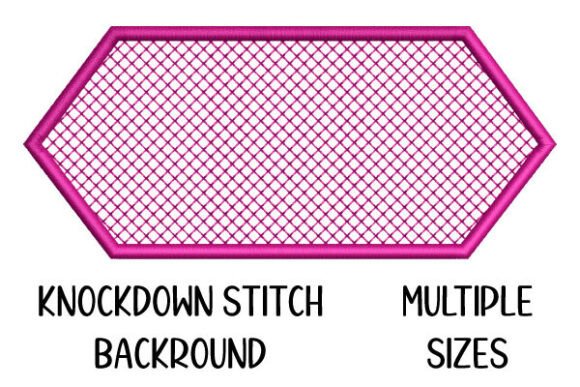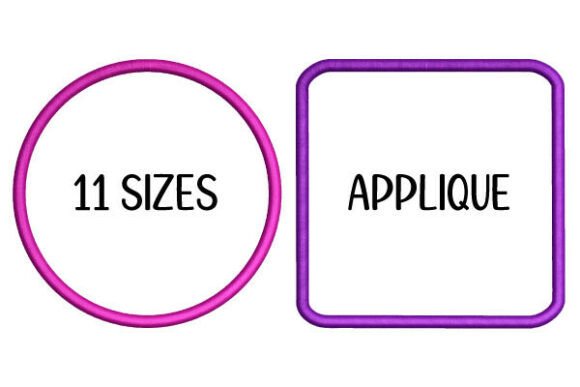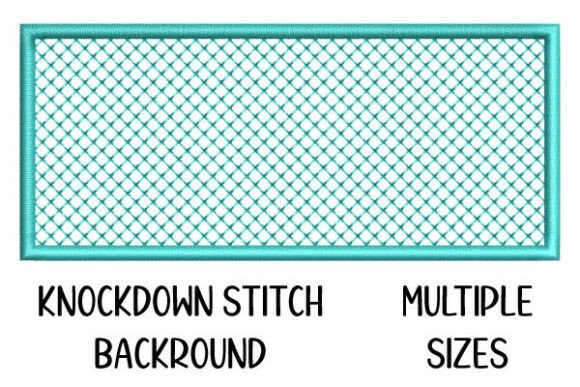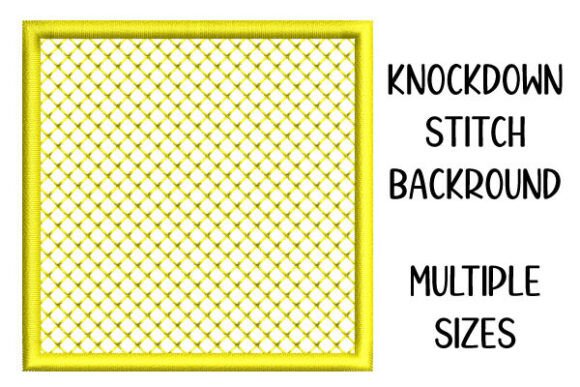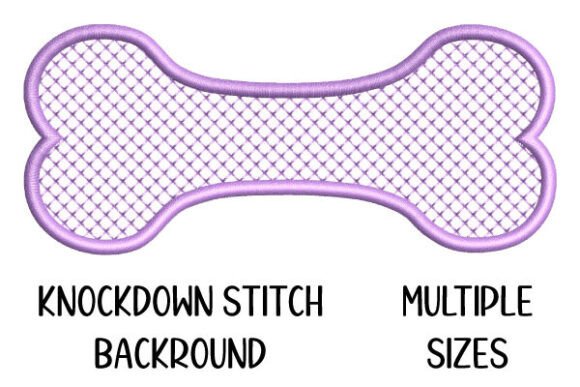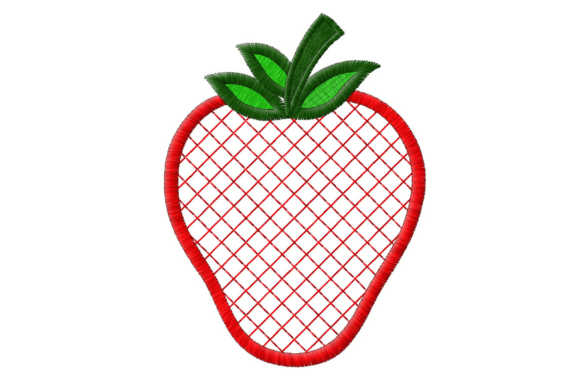
Knockdown Stitch Backgrounds Review
When I sit down to prepare a new batch of custom embroidered goods for my shop, the background is often the unsung hero. It is easy to get caught up in the focal point—the main logo, the intricate applique, or the detailed lettering—but it is the foundation that determines whether a piece looks like a professional boutique item or a rushed hobbyist project. This is where Knockdown Stitch Backgrounds come into play. After spending some time testing this design asset in various real-world scenarios, from heavy fleece sweatshirts to delicate cotton tees, I have formed a clear picture of its strengths, limitations, and best use cases.
The First Impression: Crispness Meets Texture
The moment you load Knockdown Stitch Backgrounds into your embroidery software, the intent is clear. These are not decorative elements meant to be seen; they are structural tools meant to create a canvas. The primary mood these backgrounds evoke is one of clean, polished professionalism. In the world of handmade products, "crisp" is a high compliment. It signals to the buyer that care was taken in the production process.
I initially approached these backgrounds with skepticism, wondering if dense stitch patterns might overwhelm the main motif. However, the visual personality of this design is subtle yet powerful. It creates a smooth, flat surface that contrasts beautifully against textured fabrics. Whether you are working on a custom apparel line featuring thick fleece or a series of soft baby onesies, the knockdown stitch acts as a stabilizing visual anchor. It pulls the eye toward the center of the design without competing for attention. For an Etsy seller or small business owner, this distinction is vital. A clean background elevates the perceived value of the handmade product, making it feel more like a premium gift than a casual craft.
Real-World Performance in Commercial Projects
To truly evaluate any embroidery file, I test it under pressure. My recent workflow involved preparing a collection of personalized gifts, including holiday-themed aprons and nursery decor items. Here is how Knockdown Stitch Backgrounds performed in those specific contexts.
- Custom Apparel and Sweatshirt Embroidery: One of the most common challenges in sweatshirt embroidery is dealing with bulky seams or uneven fabric surfaces. By using a knockdown stitch to create a uniform base, I was able to place logos over seams or thick pockets with confidence. The background flattened the pile just enough to allow the top layer of stitching—whether it was a satin stitch logo or detailed text—to sit perfectly flat. This resulted in a finished product that looked machine-perfect, even on challenging garments.
- Baby Items and Nursery Decor: When designing for babies, safety and comfort are paramount. Thick, raised embroidery can sometimes irritate sensitive skin. Using Knockdown Stitch Backgrounds allowed me to create a smooth, low-profile area for monograms and small icons. This reduced bulk significantly while maintaining the durability required for frequent washing. Parents appreciate this subtlety, and it adds a layer of trust to your brand when customers know the product is comfortable against the skin.
- Tote Bags and Aprons: For tote bag design projects, I often deal with woven cotton or canvas. These fabrics can pucker if the stitch density is too high or if the tension is off. The knockdown stitch provided a consistent tension baseline. It helped prevent the fabric from distorting during the stitching process, ensuring that the final finished product remained square and neat. This is crucial for craft fair products where presentation is everything.
Where to Exercise Caution
No design tool is universally perfect, and Knockdown Stitch Backgrounds has specific boundaries where it requires careful handling. As an experienced designer, I cannot stress enough that blind application leads to poor results. There are several scenarios where you should rethink your approach.
First, consider hoop size and scale. If you are working on very small items, such as embroidered patches or tiny accents on hats, a large knockdown background may dominate the design, leaving little room for the actual motif. In these cases, the background can make the design look cluttered rather than clean. Always preview the design at 100% scale before committing to production.
Second, pay close attention to fabric texture. While knockdown stitches excel on high-pile fabrics like towels, fleece, or faux fur, they can be problematic on extremely thin or sheer fabrics. On delicate materials, the density of the background stitches can cause puckering or even tear the fabric threads. Similarly, on highly stretchy knits, ensure you are using the correct stabilizer to support the hoop area. Without adequate backing, the tension from the knockdown stitch can distort the garment’s natural drape.
Additionally, be mindful of dark fabrics. If you are using light-colored thread for the knockdown background on a dark garment, the contrast might be too stark, drawing unwanted attention to the background itself. Conversely, on white fabrics, a white background stitch might disappear entirely, failing to provide the necessary flattening effect if the underlying fabric is textured. Test your thread colors thoroughly against your chosen fabric swatches.
Practical Designer Notes for Success
To get the most out of Knockdown Stitch Backgrounds, follow these practical steps before running your machine:
- Test on Scrap Fabric: Never run a new design directly onto a customer’s order. Use scrap pieces of the same fabric type to check tension, stitch density, and potential puckering.
- Check Stitch Density: Review the stitch density settings in your software. If the background feels too dense, it may slow down production unnecessarily or strain your machine. Adjust the width and length of the fill stitches if your software allows customization.
- Inspect Small Details: Zoom in on the corners and edges of the background. Ensure that the transition between the background and the main motif is seamless. Any jagged edges or misaligned starts/ends will be visible in the final product.
- Use Proper Stabilizer: The success of a knockdown stitch relies heavily on the stability of the fabric. Use a cut-away stabilizer for permanent items like caps and jackets, and a tear-away for temporary applications, but always match the weight of the stabilizer to the weight of the fabric.
- Verify Licensing: Before selling commercial embroidery items or digital assets, double-check the licensing terms. Some designs are for personal use only, while others permit commercial sales. Confirming this upfront protects your craft business from legal issues.
Final Verdict on Visual Appeal and Value
In conclusion, Knockdown Stitch Backgrounds is an invaluable asset for any serious embroiderer. It transforms good designs into great ones by providing a professional finish that enhances visual appeal and customer trust. It is particularly effective for personalized gifts, holiday embroidery, and branding where consistency and quality are key.
While it requires thoughtful application regarding fabric choice and hoop size, the rewards are significant. The ability to flatten textures and create a smooth canvas allows your main motifs to shine, resulting in handmade products that compete with mass-produced items in terms of polish and durability. For designers looking to elevate their portfolio, adding reliable background tools like this to your design assets library is a smart investment. It saves time in troubleshooting and ensures that every embroidery project leaves a lasting, positive impression on the recipient.