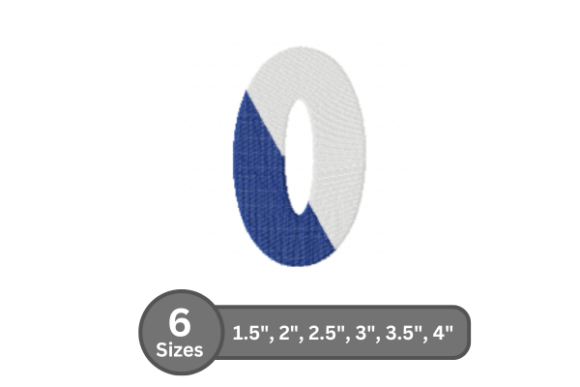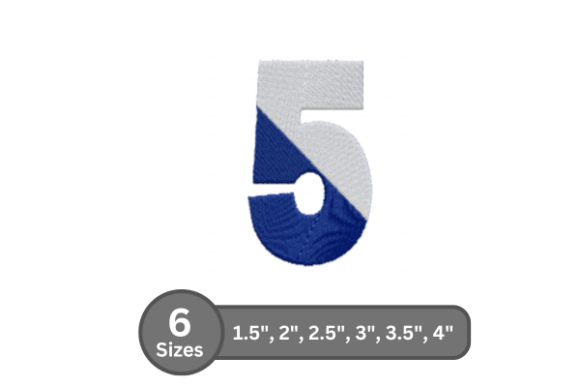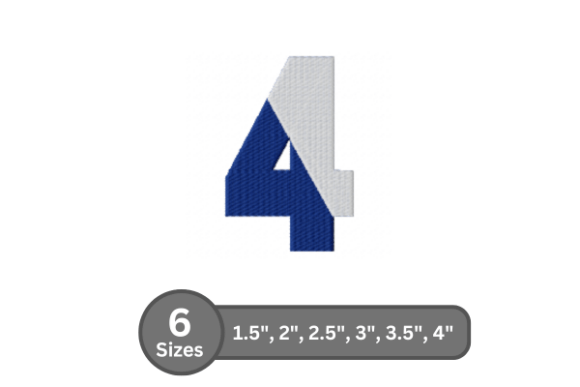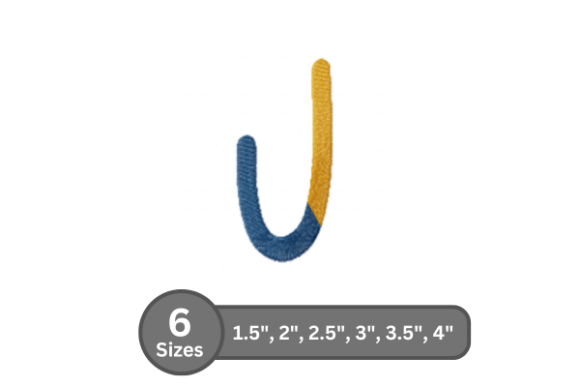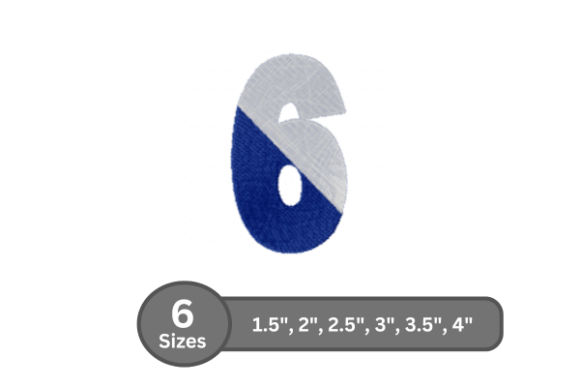
Twin Fill Number -6 Review: A Designer’s Take on Stylish Stitched Text
As a designer who spends more time looking at stitch lines than actual fabric, I am always skeptical when a new digital embroidery file promises to be the "perfect" solution for client work. We have all been there: you buy a design because it looks beautiful in the preview software, but once it hits the hoop, the details disappear, or worse, the fabric puckers into an unrecognizable mess. That is why I approached Twin Fill Number -6 with a critical eye. I wanted to see if this machine embroidery design could actually hold up in a real-world commercial setting, specifically for high-stakes personalized gifts and small business merchandise.
The product description highlights that this is an alphabet letter design featuring a stylish stitched font, available in multiple sizes. It falls squarely into the Monograms category, which is one of the most competitive and demanding niches in the Embroidery industry. Customers expect perfection here. A monogram is often the centerpiece of a wedding gift, a baby shower present, or a boutique brand logo. If the stitching looks cheap, the perceived value of the entire handmade product drops instantly. So, does Twin Fill Number -6 deliver?
First Impressions: Mood and Visual Personality
When I first loaded the file into my digitizing software, the immediate takeaway was its clean, modern aesthetic. Unlike some older fill stitch designs that feel heavy or cluttered, Twin Fill Number -6 has a lighter visual weight. This is crucial for custom apparel and tote bag design projects where you do not want the embroidery to overwhelm the garment’s natural drape or the canvas texture of the bag.
The design creates a mood that is both sophisticated and approachable. It feels like something you would see on a high-end linen tea towel or a minimalist nursery pillow cover. The "twin fill" aspect suggests a layered or double-density approach to the letterforms, which adds depth without requiring excessive thread usage. For the Etsy seller or craft business owner, this means faster hooping times and lower thread costs per unit—a significant factor when scaling up production for holiday embroidery seasons.
However, style alone does not make a successful embroidery project. The true test lies in how the design behaves under the needle. I decided to put Twin Fill Number -6 through its paces on several different fabric types to simulate real customer scenarios.
Real-World Performance: From Tote Bags to Baby Items
I started with a standard cotton canvas tote bag, a staple for any craft fair booth. The design held its shape beautifully. Because it utilizes a combination of satin stitch edges and fill stitch interiors, the letters remained crisp even after a quick wash cycle. This durability is essential for finished products that will see heavy use. The contrast between the thread colors and the natural canvas background made the text pop, proving that this design works well for promotional items and boutique branding.
Next, I moved to a softer substrate: a 100% organic cotton onesie for a baby embroidery project. This is where many designs fail. Tight stitch density can irritate a baby’s skin or cause the thin fabric to pucker. With Twin Fill Number -6, I was pleasantly surprised by the balance. The fill areas were dense enough to provide opacity (meaning no fabric showed through) but flexible enough to remain soft to the touch. For parents buying personalized gifts, this tactile quality is just as important as the visual appeal. It signals that the maker cares about the end-user experience.
I also tested the design on a structured cap. Curved surfaces are notoriously difficult for alphanumeric designs because the perspective shifts. While Twin Fill Number -6 is versatile, placing it on a curved surface requires careful positioning. I found that centering the design slightly higher on the front panel prevented the bottom of the letters from distorting as they wrapped around the curve. This kind of practical insight is what separates a good digital embroidery file from a great one—it gives you flexibility across different product categories.
Where Caution Is Required
Despite its strengths, Twin Fill Number -6 is not a magic bullet for every situation. As an experienced reviewer, I must point out where this design needs careful handling. First, avoid using this on highly textured fabrics like chunky bouclé wool or thick terry cloth. The fine details of the stitched font may get lost in the nap of the material, resulting in a muddy appearance. Similarly, on stretchy knits without proper stabilizer support, the tension might cause the fill stitch to gap or break.
Another area to watch is small hoop sizes. While the design comes in multiple sizes, shrinking it down too far can compromise the integrity of the inner curves. If you are planning to embroider tiny lettering on a keychain or a delicate handkerchief, inspect the smallest size option closely. In some cases, the individual stitches may become too close together, creating a solid block of color rather than distinct letterforms. Always check whether the design works for your specific hoop size before committing to a full run.
Additionally, consider the thread colors carefully. On dark fabric, you will need a heavier topstitch or a contrasting backing to ensure the design stands out. On light fabric, the choice of thread becomes more nuanced; pastel threads might blend too much with white or cream backgrounds, reducing the legibility of the monogram. Testing in black and white mockups can help you visualize the contrast levels before you spend hours threading your machine.
Impact on Product Value and Brand Consistency
For the small shop product creator, consistency is king. Using a reliable design like Twin Fill Number -6 helps build brand trust. When customers receive a personalized gift that looks professionally executed, they are more likely to leave positive reviews and recommend your shop. The clean lines and stylish nature of this design elevate the perceived value of the item. It transforms a simple apron or kitchen towel into a premium decorative accent.
This is particularly relevant for commercial embroidery projects where you might be producing batches of identical items. The stability of the digitization ensures that the 50th shirt looks just as good as the first. There is no variation in stitch density or alignment issues that can plague poorly digitized files. This reliability allows you to focus on marketing and customer service rather than troubleshooting technical errors.
Practical Designer Notes for Success
- Test on Scrap Fabric: Never run a large order without testing the design on the exact fabric and stabilizer combination you plan to use. Things behave differently on polyester blends versus pure cotton.
- Check Thread Contrast: Ensure there is enough difference between the thread color and the fabric color to maintain clarity. Low contrast can make the design look unfinished.
- Inspect Small Details: Zoom in on the digitized file to check for potential thread breaks or unnecessary jumps, especially in complex corners of the letters.
- Confirm Licensing: Before selling finished items or digital product previews, verify the license terms. Some embroidery files are for personal use only, while others allow commercial sale of the physical goods. Protect your business by understanding these rights.
- Use Proper Stabilizer: The right stabilizer is half the battle. For lightweight fabrics, a cut-away stabilizer provides the necessary support to prevent distortion during the stitching process.
Final Verdict
Twin Fill Number -6 is a strong contender for anyone looking to add stylish, professional-grade text to their repertoire. Its versatility makes it suitable for a wide range of applications, from holiday embroidery gifts to everyday custom apparel. The design strikes a nice balance between aesthetic appeal and technical feasibility, making it a safe bet for both hobbyists and seasoned professionals.
While it requires thoughtful placement and fabric selection to shine, its performance in standard conditions is impressive. It enhances the visual appeal of the finished product, supports brand consistency, and meets the high expectations of modern consumers who value quality craftsmanship. If you are an Etsy seller or a creative entrepreneur looking to expand your catalog with reliable, attractive monogram options, Twin Fill Number -6 deserves a spot in your design assets library. Just remember to test thoroughly and respect the limitations of the medium. Happy stitching.