Shawqi Arabic Name Review
As an embroidery designer who has spent years turning digital concepts into tangible brand assets, I approach every new design file with a specific lens: will this sell? Will it hold up on a cap? Will it look premium on a tote bag? Does it convey the right emotional weight for a small business looking to stand out? Today, I am reviewing the Shawqi Arabic Name design, specifically evaluating its potential for small business merchandise, branded patches, and custom apparel.
The product description highlights this as an Inspirational category piece, featuring romantic Arabic calligraphy. For designers, "romantic" can sometimes signal overly delicate or hard-to-read details, but in the context of branding, it often suggests elegance and personal connection. Let’s break down how the Shawqi Arabic Name performs when moved from a screen to the hoop.
First Impressions and Visual Personality
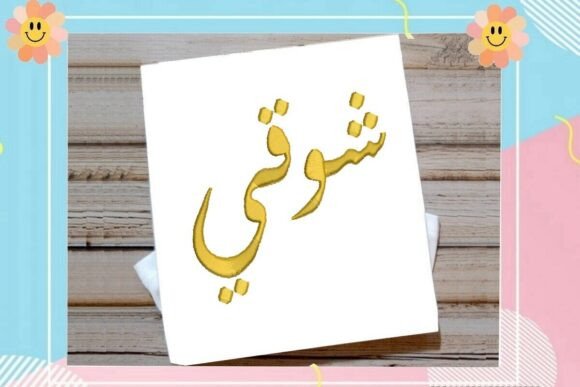
When you first load the Shawqi Arabic Name file into your digitizing software, the immediate takeaway is its graceful flow. The name شوقي (Shawqi) is rendered in a style that feels both modern and classic. It avoids the cluttered, heavy outlines that plague many budget-friendly files. Instead, it relies on clean lines and a balanced composition.
For a small business owner—whether you run a boutique café, a handmade jewelry shop, or a creative studio—this design strikes a chord of premium professionalism. It does not feel playful in a childish way; rather, it feels sophisticated. This makes it an excellent choice for brands that want to communicate trust, heritage, and care. The visual personality is quiet but confident. It doesn’t shout for attention; it invites the customer to lean in closer. This subtlety is crucial for high-end small business merch, where the goal is to create a sense of exclusivity rather than mass-market noise.
Real-World Business Applications
So, where does the Shawqi Arabic Name actually shine in a commercial setting? Having tested similar calligraphic styles across various substrates, I see several high-value applications:
- Branded Patches: This design is ideal for iron-on or sew-on patches. The clean contours allow for crisp edge stitching, which looks sharp on denim jackets, canvas totes, or leather goods. A well-executed patch with this name adds instant perceived value to a product.
- Staff Uniforms and Aprons: Imagine a specialty coffee shop or a boutique bakery. Embroidering the name on the chest pocket of a barista’s apron or a baker’s work shirt creates a personalized touch that customers appreciate. It signals that the staff are part of a curated experience, not just generic labor.
- Cap Embroidery: The compact nature of the name makes it suitable for front-center placement on structured caps. However, curvature must be managed carefully (more on this below). For a lifestyle brand selling hats, this design offers a unique cultural flair that stands out against standard geometric logos.
- Tote Bag Design: On natural cotton or jute totes, the contrast of dark thread against light fabric will make the Shawqi Arabic Name pop. It serves as a walking billboard for the brand, especially if paired with a simple, minimal logo elsewhere on the bag.
- Product Packaging Accents: While you cannot embroider paper, using this design on hang tags attached to garments or accessories elevates the unboxing experience. It bridges the gap between digital marketing and physical product quality.
For Etsy sellers and craft business assets, this design provides a distinct niche. In a sea of English-only typography, offering Arabic calligraphy adds diversity and appeals to a growing market segment looking for culturally resonant custom apparel.
Strategic Use Cases and Limitations
No design is perfect for every application. As a professional reviewer, I must highlight where the Shawqi Arabic Name requires careful handling to maintain quality.
Small Patch Sizes: If you plan to produce patches smaller than 2 inches wide, test the digitization closely. Fine details in calligraphy can merge together if the stitch density is too high or the scale is too small. Ensure the thinnest strokes remain distinct.
Curved Surfaces: When placing this on the front of a cap, the curve can distort the horizontal balance of the Arabic script. You may need to adjust the underlay or use a specialized cap hoop to prevent puckering. Poor execution here can make elegant lettering look wavy and unprofessional.
Dark Uniforms and Contrast: Arabic calligraphy often relies on negative space. On dark fabrics, ensure you have enough thread color contrast. White or metallic gold threads usually work best against navy, black, or charcoal backgrounds. Avoid low-contrast combinations like grey thread on black fabric, which will disappear during wear.
Frequent Washing: For items like aprons or work shirts that undergo industrial laundering, check the stability of the stitches. High-stitch-density areas can trap moisture or peel if the stabilizer is not chosen correctly. Always recommend cold washes and air drying for embroidered brand identity pieces to extend their lifespan.
Impact on Brand Identity and Customer Trust
Using the Shawqi Arabic Name in your merchandise does more than decorate an item; it communicates values. It tells your customer that you pay attention to detail, that you respect artistic traditions, and that you offer products with soul. This directly impacts customer trust and recognition.
When a buyer sees a beautifully executed embroidered name on a tote bag or a cap, they perceive higher quality. This perception allows you to command a higher price point. It transforms a commodity item into a handmade product with character. Furthermore, it enhances visual consistency if used alongside other design assets that share similar aesthetic principles. It becomes a recognizable signature of your brand.
Practical Embroidery Designer Notes
Before you commit to bulk production, follow these essential steps to ensure the Shawqi Arabic Name meets commercial standards:
- Test in Black and White: Convert the design to monochrome in your software. This helps you assess the balance and spacing without being distracted by thread colors.
- Check Small Scale: Zoom out to 50% size. Can you still read the name clearly? Is the legibility maintained? If not, simplify the digitization.
- Review Thread Color Contrast: Simulate your actual thread choices. Do they provide enough visibility against your target fabric?
- Inspect Spacing: Ensure there is adequate clearance between letters to prevent thread breaks and tangling.
- Confirm Hoop Size: Verify that the design fits within your standard hoops. If it is large, ensure you have the equipment to handle multi-hoop sequences.
- Test on Real Fabric: Never trust a digital preview alone. Stitch it out on the exact fabric you plan to sell. Check for puckering, sinkage, or distortion.
- Use Proper Stabilizer: Choose a cut-away or tear-away stabilizer appropriate for the fabric weight. This is critical for maintaining the shape of the embroidered patch over time.
- Create a Printable Mockup: Before producing inventory, create a high-quality mockup for client approval or social media teasers. This helps gauge market interest.
- Compare Against Assets: Place the design beside your existing logos and graphics. Does it fit the overall brand voice?
- Confirm Commercial Licensing: Finally, double-check the license terms. Ensure you have the right to use this digital embroidery file for commercial resale. Many creators restrict usage unless a commercial license is purchased.
In conclusion, the Shawqi Arabic Name is a versatile and elegant addition to any designer’s library. It offers a blend of romance and professionalism that can elevate small business merchandise from ordinary to exceptional. By paying attention to technical details like stitch density, fabric choice, and licensing, you can turn this design into a powerful tool for building brand loyalty and driving sales.