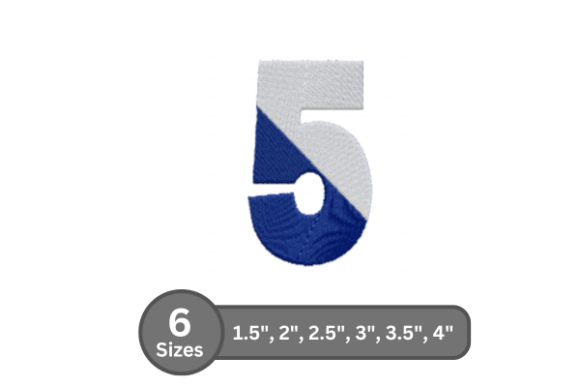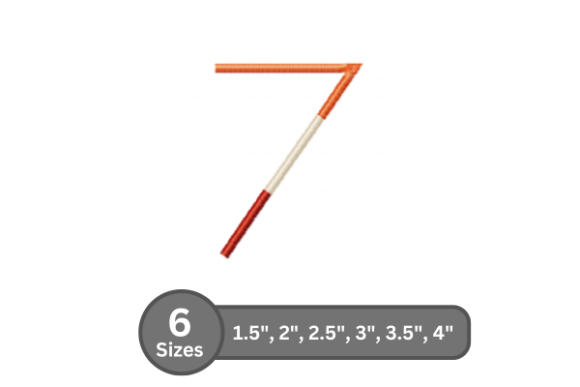
Color Bar Number -7 Embroidery Review for Boutique Apparel
As an embroidery designer who spends most of my days tweaking stitch angles and balancing density, I am always on the lookout for digital files that actually translate well from screen to fabric. When I first came across Color Bar Number -7, it caught my eye not just because of the name, but because of the promise embedded in its description: a fill stitch font carefully digitized for smooth stitching and professional results. For anyone running a small clothing brand or an Etsy shop selling handmade products, finding a reliable embroidery file can be the difference between a rushed job and a premium finished product.
I recently pulled this design into my workflow to see how it would perform on a new line of custom apparel. Here is my honest review of how Color Bar Number -7 holds up when applied to real-world boutique projects.
First Impressions: Visual Mood and Personality
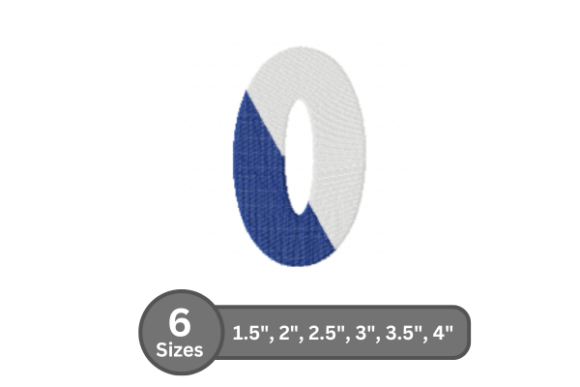
The moment you load Color Bar Number -7 into your digitizing software, the visual personality jumps out. It feels modern yet approachable. The fill stitch construction gives it a substantial weight on the fabric, which means it doesn’t get lost on thicker materials like fleece or heavy cotton blends. It strikes a balance between being bold enough for statement pieces and clean enough for minimalist branding.
In terms of aesthetic, it leans towards a trendy, slightly playful vibe without sacrificing professionalism. It isn’t overly ornate or fussy, which makes it incredibly versatile. Whether you are aiming for a rustic feel with earthy thread colors or a sleek, urban look with high-contrast neutrals, this design adapts easily. It has a decorative strength that elevates basic garments, making it perfect for creating a cohesive brand identity across a collection.
Performance on Specific Garments
One of the biggest challenges in sweatshirt embroidery is ensuring the design sits flat and looks crisp against the texture of the fabric. Because Color Bar Number -7 is built as a fill stitch, it lays down a solid block of thread that covers the fabric weave effectively. This prevents the "show-through" effect where the background fabric peeks through sparse stitches.
Sweatshirts and Hoodies
I tested this design on both neutral beige sweatshirts and pastel hoodies. On the lighter fabrics, using a darker thread color provided excellent contrast, making the text pop. On darker apparel, such as charcoal or navy hoodies, a metallic or bright white thread created a striking visual impact. The design works beautifully for chest placement, sleeve accents, or even as a larger back design. Its clean lines ensure that it remains legible and stylish regardless of where you place it.
T-Shirts and Denim Jackets
For t-shirt embroidery, the fill stitch provides a nice durability. Since t-shirts are often washed frequently, a dense, well-digitized font like this one tends to hold up better than outline-only fonts. I also imagined this looking great on denim jackets. The structured nature of the fill stitch complements the rugged texture of denim, adding a touch of polish to a casual staple.
Tote Bags and Lifestyle Products
Beyond clothing, this machine embroidery design is fantastic for accessories. On canvas tote bags, the solid fill creates a graphic, poster-like effect that photographs exceptionally well. If you are an Etsy seller relying on lifestyle product photos, designs with strong visual presence help your items stand out in social media feeds and search results.
Strategic Use Cases for Your Brand
Integrating Color Bar Number -7 into your product line can significantly affect your brand identity. Consistency in design quality builds buyer trust. When customers receive a garment with a professionally stitched logo or graphic, they perceive higher value. This design supports that perception by offering a clean, intentional look.
- Boutique Merchandise: Use it for team uniforms, corporate gifts, or event merch where readability and style are key.
- Seasonal Outfits: The versatility allows you to swap thread colors to match seasonal palettes—pastels for spring, warm tones for autumn.
- Digital Sellers: If you sell printable mockups, this design serves as a strong placeholder to demonstrate potential customization options to buyers.
Where to Exercise Caution
While Color Bar Number -7 is robust, no single design fits every scenario perfectly. As a designer, I recommend being mindful of specific constraints:
- Small Chest Placement: Ensure the lettering size is large enough to be readable. Tiny lettering on a small chest area can lose detail if the stitch density isn't optimized.
- Stretchy Fabrics: Be careful when embroidering on highly stretchy materials like spandex blends. The tension of the fill stitch might cause puckering if not hooped correctly.
- Ribbed Fabric: Avoid placing the design directly over ribbed cuffs or collars unless you have specialized hoops. The uneven surface can lead to inconsistent stitch formation.
- Curved Surfaces: On curved areas like shoulders or rounded bag fronts, plan your placement carefully to avoid distortion.
Practical Designer Notes for Production
To get the best results from this commercial embroidery file, follow these practical steps before committing to your final inventory:
- Test on Scrap Fabric: Always run a test stitch-out on the exact same fabric type you will use for the final product. This reveals how the thread interacts with the material.
- Check Stabilizer Choice: The right stabilizer is crucial. For heavy sweatshirts, a cut-away stabilizer is usually best to prevent stretching over time. For lighter tees, a tear-away might suffice depending on the design's density.
- Review Thread Color Contrast: High contrast generally yields the best visual result. Check your thread colors against your garment swatches to ensure legibility.
- Confirm Hoop Size: Verify that the design dimensions fit within your standard hoop sizes to avoid mid-stitch re-hooping, which can misalign the image.
- Inspect Stitch Density: Look closely at the digitization. Smooth transitions between color blocks indicate good quality. If there are any jagged edges or excessive jump stitches, you may need to adjust the settings in your machine software.
- Licensing Check: Before selling finished apparel, double-check the Creative Fabrica product details regarding licensing terms. Ensure you have the commercial rights to produce and sell items made with this file.
Ultimately, Color Bar Number -7 is a strong addition to any digital embroidery file library. Its focus on smooth stitching and professional aesthetics makes it a reliable choice for custom apparel projects. Whether you are updating your small shop product catalog or launching a new boutique brand line, this design offers the visual punch and reliability needed to engage customers and drive sales.